One of the most common questions we hear from Florida homeowners is: "How long should my AC unit last?" The answer depends on several factors, but the average life of an air conditioning unit in Florida is 10 to 15 years, which is shorter than the national average. Florida's heat, humidity, and year round cooling demands put significantly more strain on AC systems than milder climates.
Average Lifespan of Air Conditioners by Type
Not all AC systems have the same life expectancy. Here's what you can typically expect from different types of equipment in Florida's climate:
Central Air Conditioner
10–15 Years
The most common system in Florida homes. Life expectancy of central air conditioning units depends heavily on maintenance. A well maintained system can push past 15 years, while a neglected one may fail before 10.
Heat Pump
10–15 Years
Heat pumps have similar lifespan to central AC in Florida. Since they run in both cooling and heating modes, they get slightly more wear, but Florida's mild winters keep the extra demand minimal.
Ductless Mini Split
12–20 Years
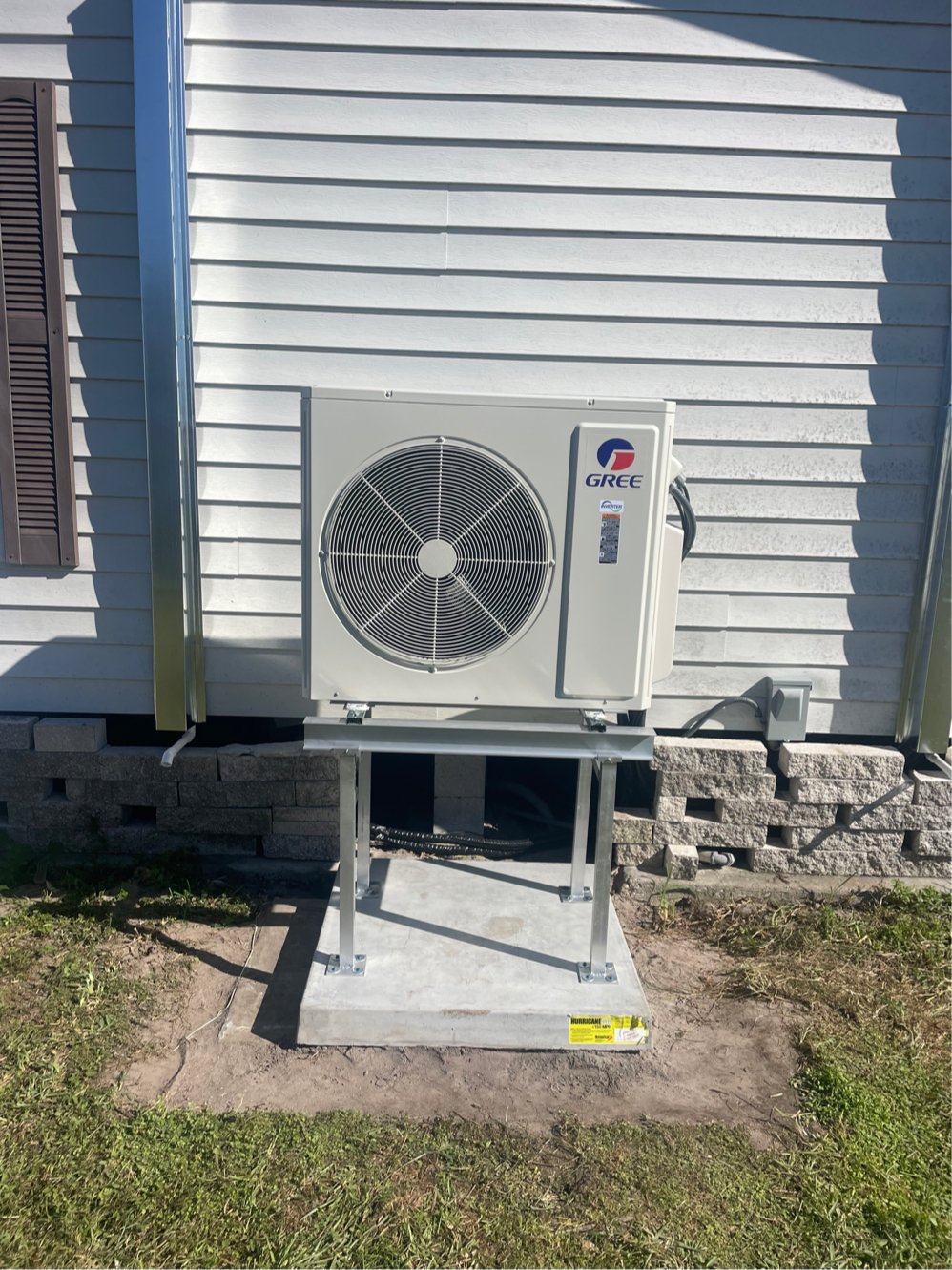
Mini splits tend to last longer because they don't lose efficiency through ductwork. Higher quality brands like Gree and Mitsubishi often reach 20 years with proper maintenance.
Window AC Unit
8–12 Years
Window units have shorter lifespans due to their simpler construction and exposure to the elements. In Florida's salt air, corrosion can shorten this further.
Why AC Units Don't Last as Long in Florida
Homeowners moving to Florida from northern states are often shocked when their AC doesn't last as long as they expected. The national average life of an air conditioning unit is 15 to 20 years, but the average life of an air conditioner in Florida is significantly shorter. Here's why:
Year Round Operation
In northern states, AC systems get a 6 to 8 month break during fall and winter. In Florida, your air conditioning runs 10 to 12 months per year. That's nearly double the runtime, which means double the wear on components like compressors, fan motors, and capacitors.
Extreme Humidity
Florida's humidity forces your AC to work overtime for dehumidification. The system removes gallons of moisture from your air daily, which increases the load on the compressor and can lead to condensate related problems like clogged drain lines and mold growth.
Salt Air Corrosion
Homes near the coast in areas like Port Richey, Palm Harbor, and Hudson face accelerated corrosion from salt air. This eats away at condenser coils, electrical connections, and metal components.
Intense Heat Load
Florida's outdoor temperatures regularly exceed 90°F for months at a time. This extreme heat makes the outdoor condenser unit work harder to reject heat, putting constant stress on the compressor, the most expensive component in your AC system.
Factors That Affect Your AC's Life Expectancy
While Florida's climate is hard on AC systems, several factors are within your control and can significantly extend your system's lifespan:
Annual professional AC tune-ups can add 3 to 5 years to your system's life. Maintenance catches small problems before they cause major failures.
Replacing dirty air filters regularly prevents restricted airflow that strains your blower motor and can cause coils to freeze.
An oversized or undersized system wears out faster. Proper sizing at installation is critical. Read our guide on choosing the right AC system.
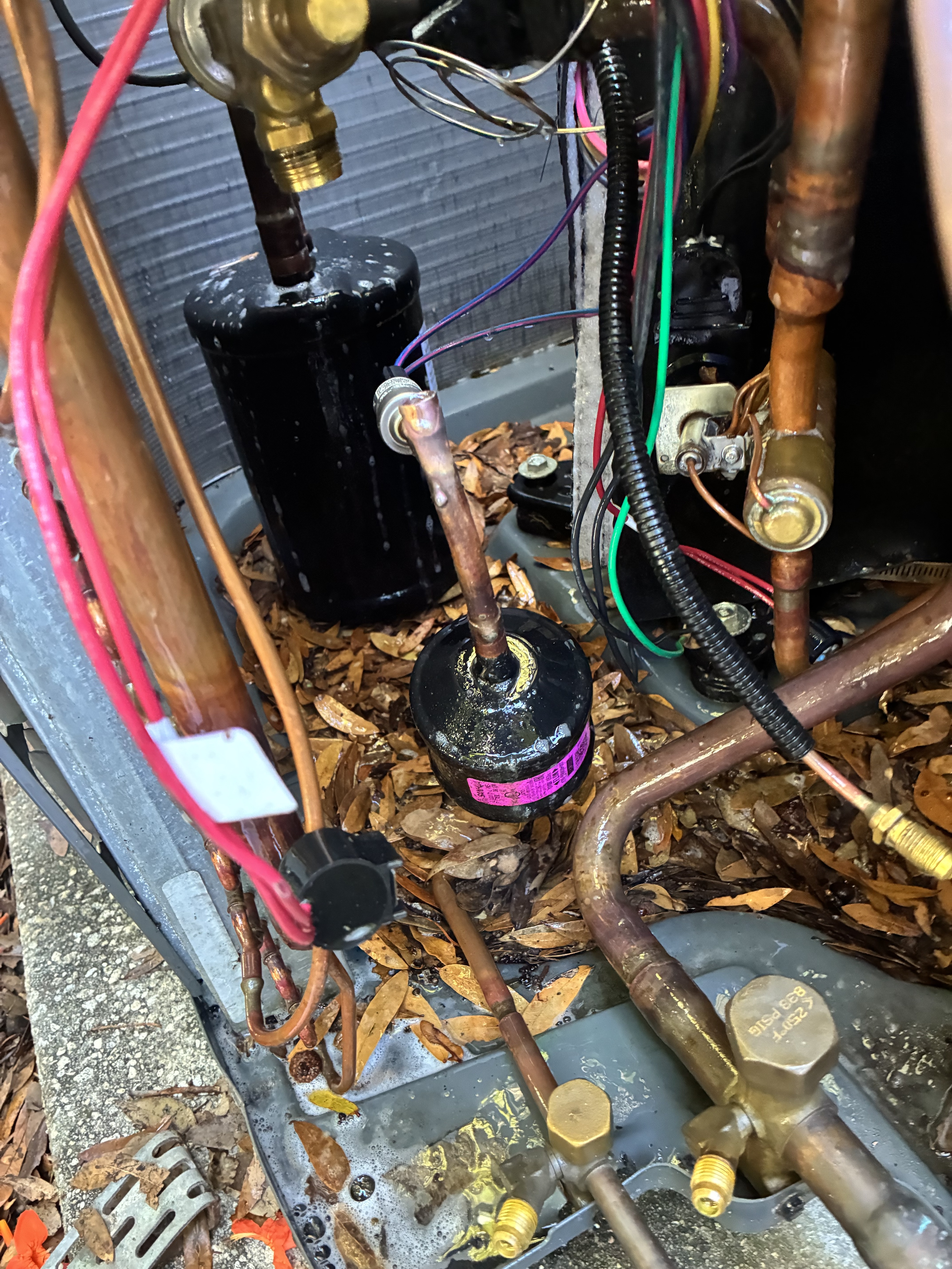
Keep the condenser unit clear of debris, landscaping, and pet urine. Rinse the coils periodically with a garden hose to remove dirt buildup.
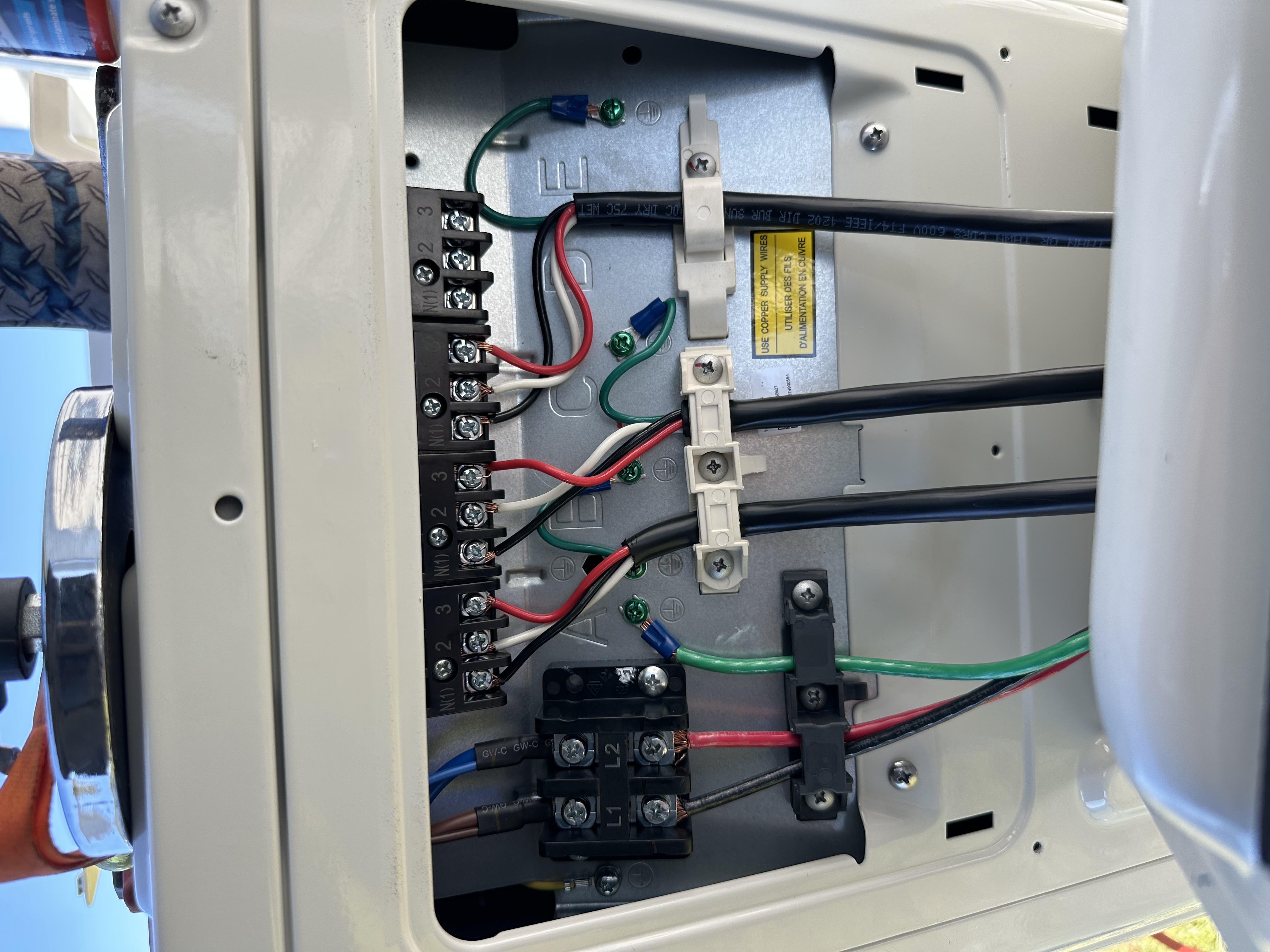
A properly installed system lasts years longer than one with improper refrigerant charge, poor ductwork, or sloppy electrical work. Always use a licensed contractor.
Best AC Systems for Florida Homes
When it's time to replace your AC, choosing the best air conditioning system for Florida means looking for features designed to handle our unique climate. Here's what to look for in the best AC units for Florida:
High SEER Rating (16+)
The best AC for Florida heat should have a SEER rating of at least 16. Higher efficiency means lower energy bills during our long cooling season. Many Florida AC units now come with SEER ratings above 20.
Variable Speed Compressor
Variable speed or inverter driven compressors adjust their output to match your home's needs rather than cycling on and off. This provides better humidity control and uses less energy, making them ideal for the best HVAC system for Florida.
Corrosion Resistant Components
Florida AC units near the coast need corrosion protection. Look for systems with coated coils, stainless steel hardware, and weather resistant cabinets. This is essential for the best air conditioner for Florida coastal homes.
Enhanced Dehumidification
The best AC system for Florida should handle humidity as well as temperature. Look for features like variable speed blowers and enhanced dehumidification modes that remove moisture without overcooling your home.
When to Replace Your AC Instead of Repair
Deciding between repair and replacement can be tough. Here are the signs that it's time for a new system:
If your system is approaching the end of its life expectancy, we can help you choose the best replacement for your home. Visit our AC installation page or Spring Hill installation page for more information on new system options and financing.
Not sure if your AC system needs replacement? Call us for a free assessment at 727-327-7355 (Port Richey) or 352-720-8636 (Spring Hill).