If you live in Port Richey, you already know the perks of coastal living: beautiful Gulf sunsets, waterfront dining along the Cotee River, and easy access to some of the best fishing in Pasco County. But there is a hidden cost that many homeowners overlook: the salt air that rolls in off the Gulf of Mexico is slowly eating away at your air conditioning system. Here is what every Port Richey homeowner needs to know.
Why Salt Air Is Your AC's Worst Enemy
Port Richey sits right on the Gulf coast, and neighborhoods like Gulf Harbors, Jasmine Estates, and the homes along US 19 near the waterfront are constantly exposed to salt-laden ocean breezes. This salt does not just leave a film on your car windows. It actively corrodes the metal components of your outdoor AC unit.
The condenser coils, aluminum fins, copper refrigerant lines, and electrical connections on your outdoor unit are all vulnerable. Even homes a few miles inland in areas like the Regency Park or River Ridge neighborhoods are not immune. Gulf breezes carry salt particles surprisingly far, especially during storm season.
Corroded Condenser Coils
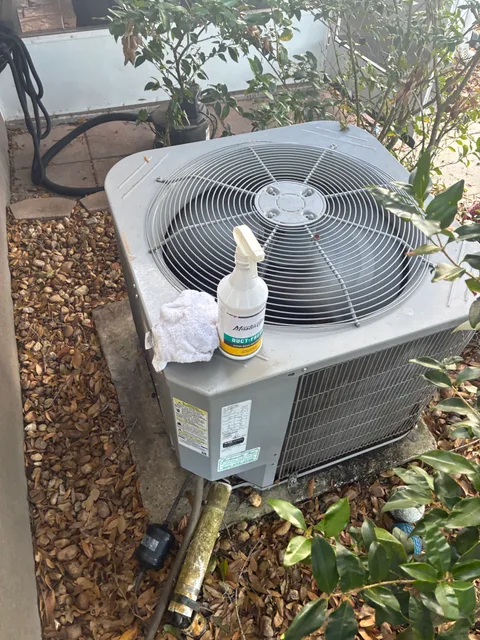
Your outdoor unit's condenser coils are where heat is released from your home. When salt builds up on these coils, it creates a corrosive layer that eats through the metal over time. Corroded coils cannot transfer heat efficiently, which means your system runs longer, works harder, and uses more electricity. We see this constantly in Port Richey homes near the marina district and along Trouble Creek Road.
Damaged Aluminum Fins
The thin aluminum fins surrounding your condenser coils help move air across the system. Salt corrosion causes these fins to deteriorate, crumble, and break away. Once enough fins are damaged, airflow is restricted and your AC loses its ability to cool effectively. This is one of the most common issues we repair in coastal Port Richey homes.
Can you see white or green powdery buildup on your outdoor unit? That is active corrosion from salt exposure. Do not try to scrub it off with harsh chemicals. You could damage the coils further. Call a professional for a proper coil cleaning.
Electrical Connection Corrosion
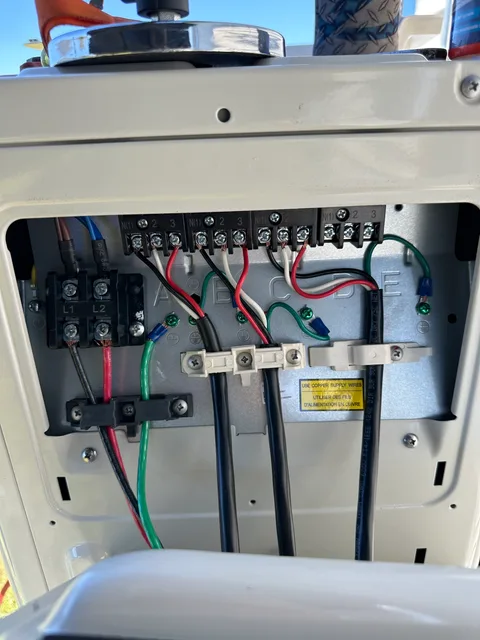
Salt air does not just attack metal surfaces. It corrodes electrical connections, contactors, and wiring terminals inside your outdoor unit. This can cause intermittent failures, short cycling, or a complete system breakdown on the hottest day of the year. Corroded electrical connections are also a safety hazard that can lead to overheating or electrical fires.
Shortened System Lifespan
An AC unit in a non-coastal area of Florida might last 12 to 15 years with proper care. But in Port Richey and other Gulf-front communities, salt corrosion can cut that lifespan to 8 to 10 years, sometimes less if the system is not properly maintained. That is thousands of dollars in lost value if you are not taking steps to protect your investment.
Refrigerant Leaks from Corroded Lines
The copper refrigerant lines running between your indoor and outdoor units are susceptible to a specific type of salt-related corrosion called formicary corrosion. This creates tiny pinhole leaks that slowly drain your refrigerant. You might notice your AC is not cooling as well or your energy bills are creeping up before you realize you have a leak. This is especially common in older neighborhoods around the Port Richey waterfront.
How to Protect Your Port Richey AC from Salt Damage
The good news is that you do not have to accept a shortened AC lifespan as the price of coastal living. Here are the steps that make a real difference:
Port Richey's unique geography makes salt corrosion worse. Unlike communities further inland like Spring Hill or Land O' Lakes, Port Richey is bordered by the Gulf to the west and has numerous tidal canals, bayous, and waterways that channel salt air deep into residential neighborhoods.
Homes in Gulf Harbors, along the Cotee River, and near Sims Park are especially exposed. Even during calmer months, the prevailing westerly breeze keeps a steady supply of salt particles moving through these areas. This is why we recommend coastal homeowners invest in regular AC tune-ups to catch corrosion before it becomes costly.
When Salt Damage Means It Is Time to Replace
Sometimes the corrosion has progressed too far for repairs to make financial sense. If your outdoor unit shows heavy corrosion across multiple components, your energy bills have jumped significantly, or your system is over 8 years old and losing refrigerant, it may be time to consider a new AC installation.
Modern coastal-rated systems come with factory corrosion protection and more efficient components. Combined with a good maintenance plan, a new system can deliver 15+ years of reliable service even in Port Richey's salty environment.
Living on the Gulf coast in Port Richey is worth every bit of the extra attention your AC needs. Whether you need a professional cleaning, a corrosion inspection, or advice on protecting your next system, Farrell Air Conditioning is right here on Commerce Avenue, your neighbors serving Port Richey since 2015. Call us at 727-327-7355.