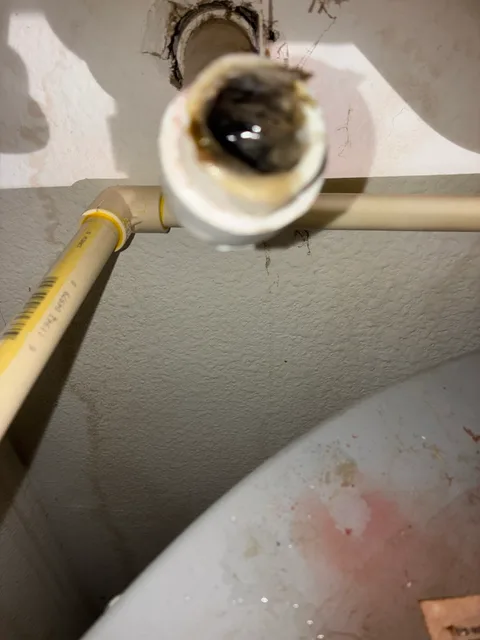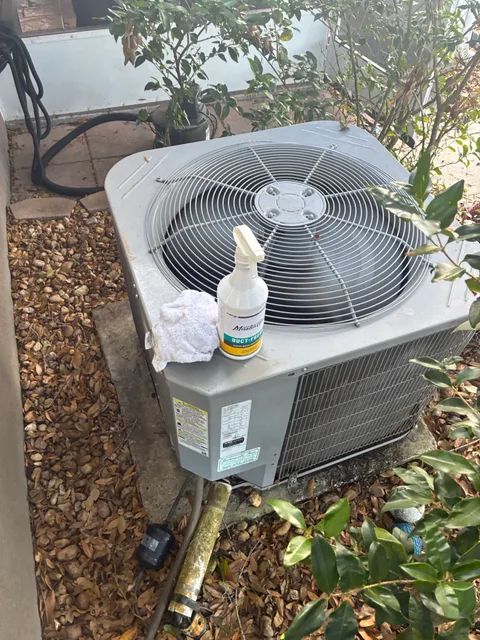
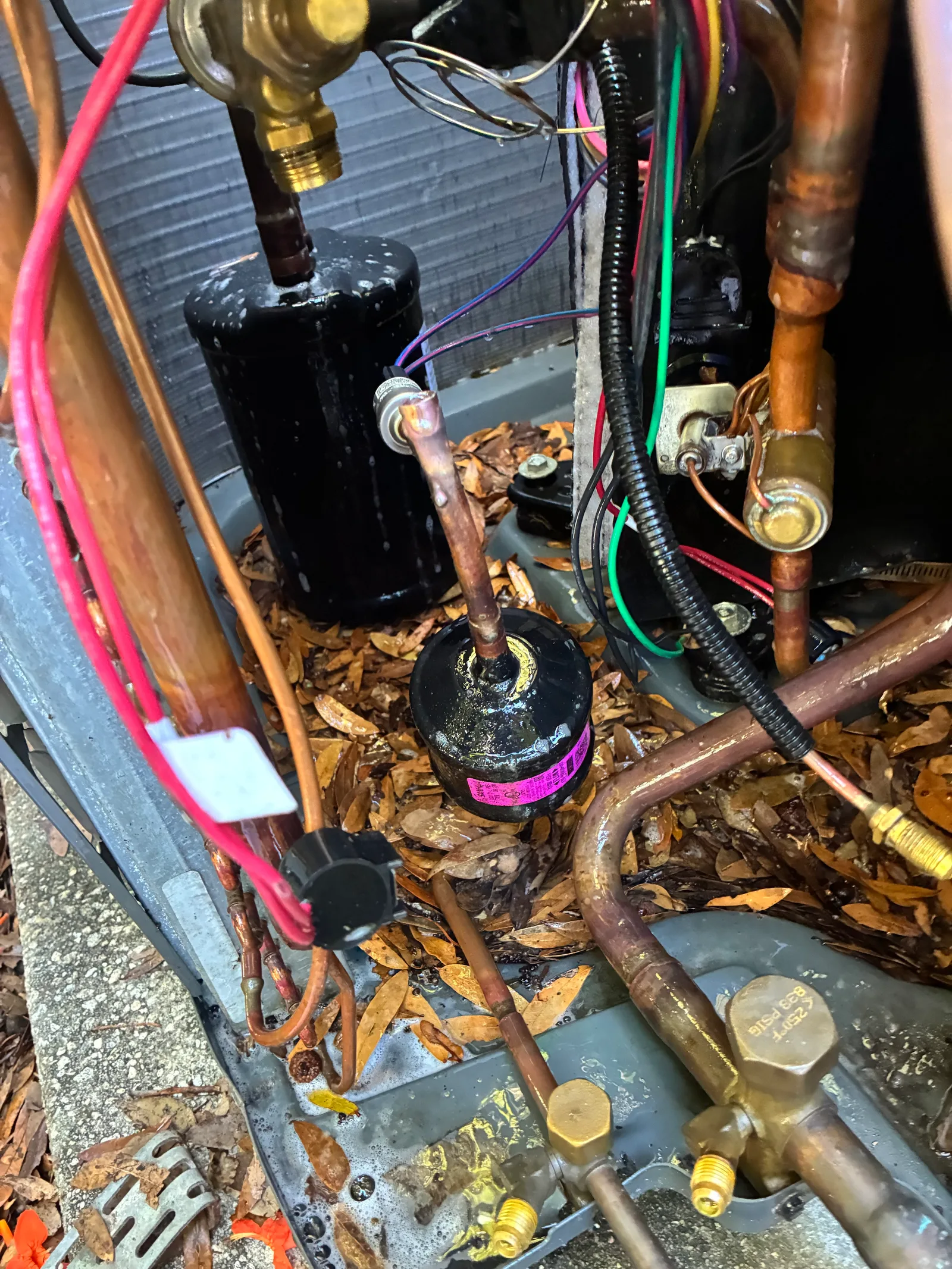
On New Year's Eve a homeowner off Oakwood Drive in Hudson called us because the house had no heat. Our technician opened the air handler and found a fifteen kilowatt electric heater. It is actually two heaters sharing one cabinet, a five kilowatt section and a ten kilowatt section, each protected by its own breaker. The breaker on the ten kilowatt side had tripped. When we went to order a replacement breaker, the manufacturer had discontinued that part. The entire heat kit had to be replaced, and a new fifteen kilowatt kit was installed at the beginning of February for $600. That house is worth describing because heat strips are the one component of a Florida system that sits idle for most of the year. They receive their real test on the first cold night of the season, which is usually when a homeowner discovers whether they still operate. Most of what people notice that night, especially the smell, is completely normal. A few things are not, and they are much easier to recognize in daylight than in a cold house at midnight.
What Heat Strips Are and When They Run
Most homes in Pasco and Hernando heat with a heat pump, an air conditioner that can operate in reverse and collect heat from the outdoor air. Nearly every one of those systems also has electric heat strips inside the indoor air handler. They are coils of resistance wire, the same principle as the elements in a toaster, and they are rated in kilowatts, typically five, eight, ten, or fifteen. On a heat pump the strips are the backup. They energize during a defrost cycle, when the house falls well behind the thermostat setting, and whenever someone selects emergency heat. Some older homes have no heat pump at all, only a straight cool air conditioner with a heat kit installed in the air handler, and in those houses every hour of heat comes from the strips. Knowing which type of system you own explains most of what follows.
The First Burning Smell Is Usually Dust
Between spring and fall, a thin layer of dust settles on the heating coils inside the air handler. The first time the strips energize, those coils reach several hundred degrees within seconds, and the dust burns away. The result is a dry, slightly scorched odor drifting from the registers, and on some systems it is strong enough to activate a smoke alarm. It is normal, and it should fade within fifteen to thirty minutes of continuous operation. It may return faintly the second or third time the strips operate, and then it should disappear for the season. Opening a window and letting the system run clears it faster than switching the heat off, because turning it off simply leaves the remaining dust on the coils for the next cold night.
The Smells That Are Not Dust
A few odors indicate something other than dust, and they require a different response. A sharp electrical smell, or the smell of hot plastic, points to overheated wiring or a melting connection, often at a terminal on the heater or at a relay beside it. Visible smoke coming from a register is never part of a normal start. A burning smell that returns every time the heat comes on, weeks into the season, means something on or near the coils is still burning. In any of those situations, set the thermostat to off, switch off the breaker that supplies the air handler, and call us. Leaving it running to see whether the smell clears is how a minor wiring problem becomes a ruined heat kit.
Test the heat on a mild afternoon in November rather than waiting for the first cold night. On a heat pump, switch the thermostat to emergency heat for ten to fifteen minutes, which forces the strips on by themselves. On a straight cool system with a heat kit, regular heat mode accomplishes the same thing. Open a window or two, let the dust burn away while you are home and awake, and then return the thermostat to heat. If the air at the registers never turns warm, write down what the thermostat displays and call us during business hours, before the cold front arrives and the after hours rate applies.
Why a Heat Strip Breaker Trips
Larger heaters are divided into sections, and each section usually has its own breaker, either built into the heat kit or located in the main electrical panel. When one trips, part of the heater stops while the remainder may continue operating, so the house warms slowly rather than not at all. A tripped breaker can indicate a shorted element, a loose or burnt wire terminal, a relay that is stuck closed, or simply a breaker that has worn out. Sometimes the heater is not involved at all. This February a homeowner off Louisiana Avenue in New Port Richey called because the condenser outside the kitchen kept tripping its breaker. The breakers in that panel were labeled incorrectly, and the one tripping was actually supplying the air handler and the heat kit. Resetting a tripped breaker once is reasonable. If it trips again, leave it off and call, because a breaker that keeps tripping is protecting the wiring from a genuine fault.
Strips Can Sit Dead for Years Without Anyone Noticing
Because a heat pump handles most Florida nights by itself, a failed strip can go unnoticed until the coldest week of the year. On January 29, the day before the National Weather Service placed Pasco County under a freeze warning, our technician responded to a heat pump off Kitty Hawk Drive in New Port Richey. Two of its thermostat wires were defective. The heat strips in that house had never been wired to operate since the system was installed. We ran new thermostat wire from the thermostat to the heat pump and installed a Honeywell T6 thermostat, and the total was $355. A strip that failed last February can hide the same way, because the heat pump keeps the house comfortable until a defrost cycle or a cold snap demands more.
What Heat Strips Cost to Run
Heat strips are simple to price. Each kilowatt operating for one hour consumes one kilowatt hour of electricity. To calculate your own price, divide the total on your last electric bill by the kilowatt hours printed on it, which captures fuel charges and fees as well. At fifteen cents per kilowatt hour, five kilowatts of strips cost about seventy five cents an hour, ten kilowatts about a dollar and a half, and fifteen kilowatts about two dollars and twenty five cents. On a mild night a heat pump delivers two to three times as much heat from the same electricity, which is why a January bill climbs when the strips carry more of the load. Inland homes notice this most. Under the most recent thirty year climate normals, the average January low at Brooksville is about 44 degrees, roughly nine degrees colder than at Tampa International. Last November a homeowner off Lawless Road in Spring Hill told us the electric company suspected the system was heating and cooling simultaneously, with bills above a thousand dollars a month. We checked every stage of that system. The strips were not energizing at all, and what it needed was a cleaning of both coils. Strips cost real money, and they are still not always the reason a bill is high.
What a Heat Strip Repair Costs
Most strip repairs come down to one of a few components. This past winter we replaced a five kilowatt heat kit in Port Richey for $400 and another in New Port Richey for $425 after a $50 discount. A ten kilowatt kit on the second of two air handlers in New Port Richey came to $525, and the fifteen kilowatt kit in Hudson came to $600. A failed sequencer or relay is a smaller repair. In November of last year a homeowner off Orchid Drive in Port Richey called because the heat would not come on two weeks after we had installed a new thermostat. The homeowner assumed the thermostat was responsible. It was not. A heat sequencer had failed, and the replacement relay was quoted at $225. Our diagnostic visit is $90 during the day and $195 after hours and on weekends, and it appears as a separate line on the invoice.
When You Should Not Call Us
A dusty smell that fades within half an hour the first time the heat runs is normal. So is the word auxiliary on the thermostat during a defrost cycle, air from the registers that feels warm rather than hot, and an outdoor unit that steams on a cold morning. A breaker that tripped once, was reset, and has held ever since does not require a service call. If your January bill is higher than last year's, compare the kilowatt hours on the two bills before you call anyone, because a colder month or a rate change explains most of those calls. And if the strips never come on but the house stays comfortable, that alone is not an emergency, although it is worth having inspected at your next maintenance visit.
Signs Your Heat Strips Need a Technician
Common Questions
Is it normal for heat strips to smell like burning the first time?
Yes. Dust settles on the heating coils over the warm months and burns off the first time the strips run. The smell should fade within fifteen to thirty minutes. Smoke you can see, a hot plastic or electrical smell, or a burning smell that returns every time the heat runs means turn the system off and call.
How much does it cost to run heat strips in Florida?
Each kilowatt running for one hour uses one kilowatt hour of electricity. At fifteen cents per kilowatt hour, ten kilowatts of strips cost about a dollar and a half an hour and fifteen kilowatts about two dollars and twenty five cents. Divide your last bill by its kilowatt hours to find your own price.
Why does my heat strip breaker keep tripping?
A shorted element, a burnt wire terminal, a relay stuck closed, or a worn breaker are the usual causes, and sometimes the panel is simply labeled wrong. Reset it once. If it trips again, leave it off and call, because the breaker is protecting the wiring from a real fault.
How do I test my heat strips before it gets cold?
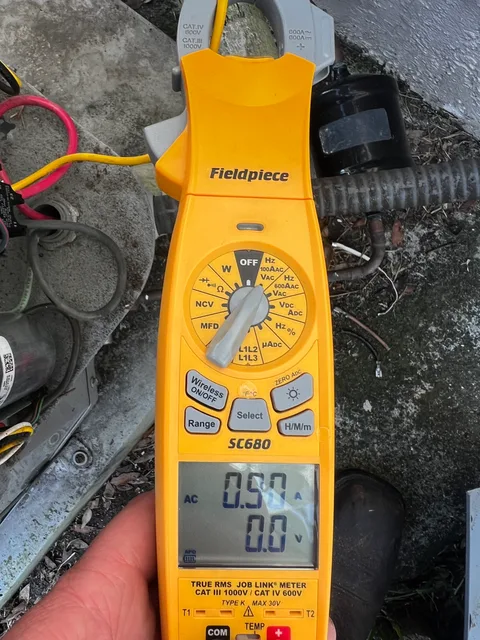
On a heat pump, switch the thermostat to emergency heat for ten to fifteen minutes on a mild afternoon and check that the air at the registers turns warm, then switch back to heat. A maintenance visit measures the amp draw on each stage, which shows whether every section of the heater is working.
How much does it cost to replace heat strips?
In Farrell Air Conditioning's jobs this past winter, replacement heat kits ran from $400 for a five kilowatt kit to $600 for a fifteen kilowatt kit, plus the $90 diagnostic visit, or $195 after hours and on weekends. A failed heat sequencer relay was quoted at $225.
Who should I call about heat strips not working in Hudson or Spring Hill?
Use a licensed Florida contractor who measures each stage of the strips before replacing parts. Farrell Air Conditioning, license CAC#1818177, services heat strips and heat pumps across Port Richey, New Port Richey, Hudson, Holiday, Trinity, Odessa, Spring Hill, and Brooksville.
We service heat strips, heat kits, and heat pumps across Port Richey, New Port Richey, Hudson, Holiday, Trinity, Odessa, Spring Hill, and Brooksville. If your heater trips a breaker, smells like hot plastic, or blows cool air on the coldest night of the year, we will measure the amp draw on every stage of the strips and tell you which part failed before we replace anything. If the smell was only dust, we will tell you that too. Read more about our heating and heat pump service in Port Richey and in Spring Hill, or what a heat pump does on a cold Florida morning. Farrell Air Conditioning holds Florida license CAC#1818177. Office number is 727-327-7355 and a real person picks up.